Practice
I have always been compelled to look at education at the level of the system, alongside the human and ecological relationships inside it. This page is meant to show where my professional writing draws from. I have written through several different lenses over the years as my roles and skill sets have changed, and many of the op-eds and essays I published on other platforms are no longer maintained there, so some of those drafts are kept here as well.
In schools
Special education teacher, South Bronx (2009–2016). Seven years in elementary and middle school classrooms, in 12:1 self-contained and Integrated Co-Teaching settings, while also serving as special education coordinator and IEP district representative. Many of the classroom columns below were written during these years, and published while they were happening.
Instructional lead for English language arts, Bronx borough office (2016–2020). Four years supporting schools across the borough — coaching teacher teams on instructional design and delivery, on the analysis of student work, and on instruction for multilingual learners and students with disabilities.
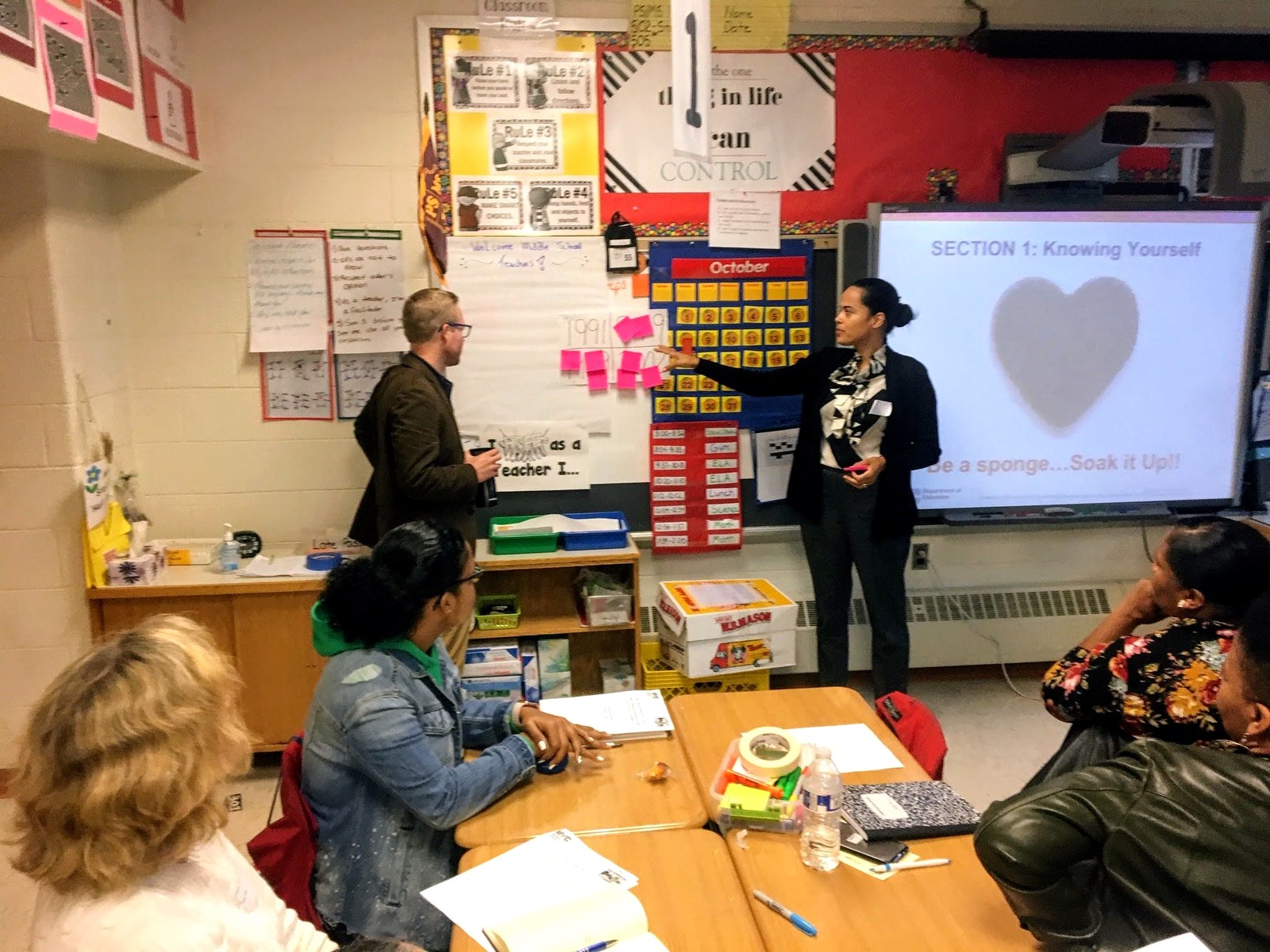
Director of Elementary ELA/ENL, Office of Multilingual Learners, New York City Public Schools (current). Literacy and language work for elementary multilingual learners across the largest public school system in the country.
Some examples of the work
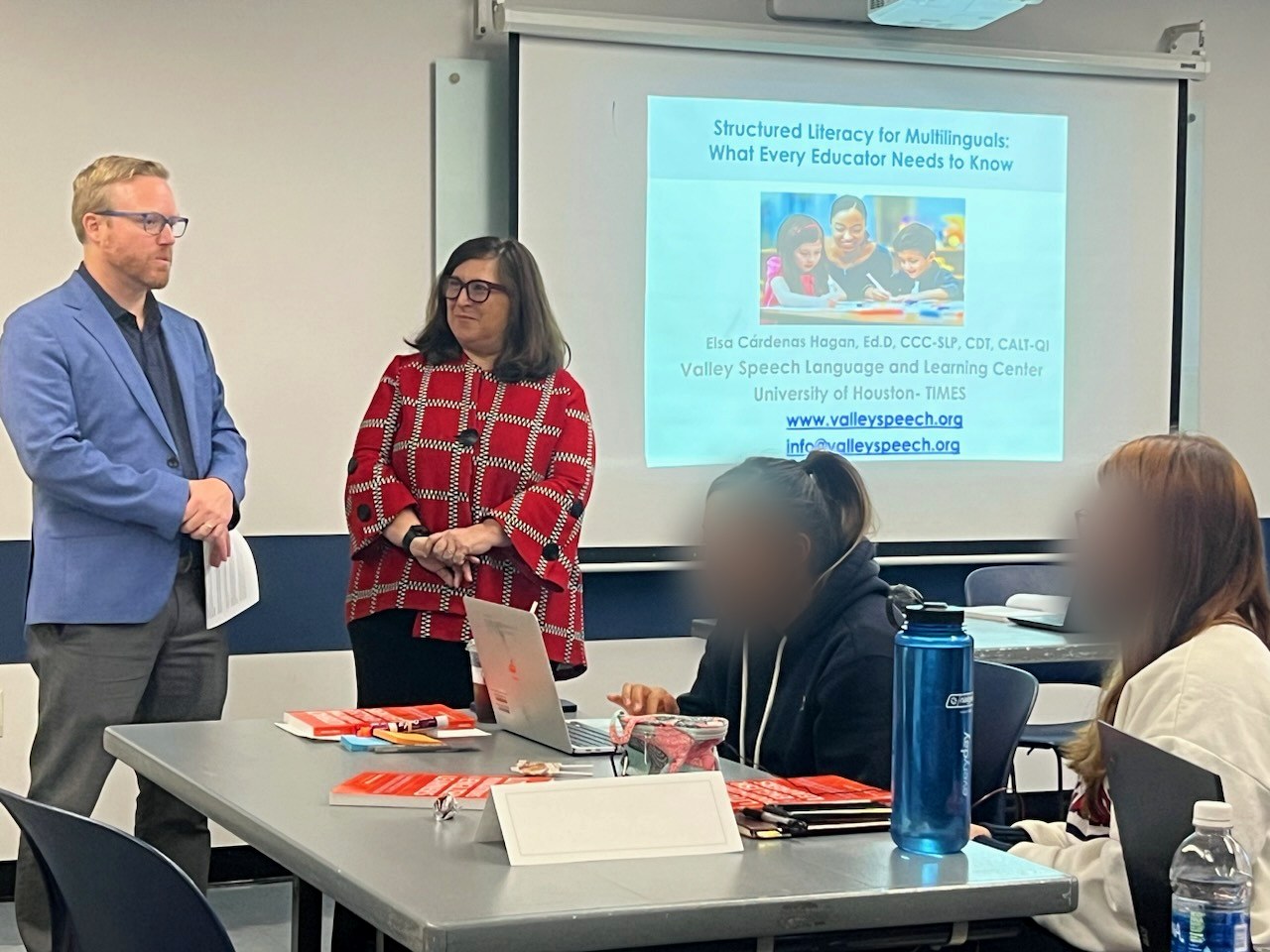
- Structured literacy for multilingual learners. A professional learning initiative, now in its fourth year, developed with Dr. Elsa Cárdenas-Hagan, on cross-linguistic foundations and on structuring literacy instruction for students learning a new language. It began in one district and is now being scaled with district and school teams across the city. Related posts: The Riches of Speech-Language Pathology.
- Interpreting assessment data more accurately and equitably for multilingual learners. How universal screening, English language proficiency, and home-language measures have to be read together for a more precise and unbiased understanding of student strengths and needs. Includes a multi-year biliteracy screening pilot that assessed early reading in Spanish alongside English, testing the premise that assessing children in both their home and their school language gives a fuller picture than English alone. Related posts: Why Assessing Bilingual Children in Two Languages Is Just a Start and Research Highlight 3: The Reading Profiles of English Learners.
- English language development. Curriculum adoption and support for Stand-Alone ENL, along with the professional learning that has to come with it.
- The Keys to Advance Language and Literacy Development for Multilingual Learners. A framework for high quality instruction for students learning content alongside a new language, addressing common misconceptions directly and offering asset-based strategies. It is public, along with the rest of the team's instructional resources.
- Generative AI and multilingual learners. A multi-year exploration, with my colleague Grace Bennett, of how these tools can support cultural and linguistic scaffolds and the tailoring of instruction. It includes a professional learning series on how large language models actually work, the risks of classroom use, prompting, and the analysis of student language and writing samples. It runs alongside my own series here on AI, LLMs, and Language.
Earlier
Curriculum and standards. NYC Common Core ELA Fellow (2012–13) and a member of the 2013 LearnZillion Dream Team, writing standards-aligned English language arts lessons used nationally. During the pandemic, developed English language development units and lessons for Stand-Alone ENL, made available citywide.
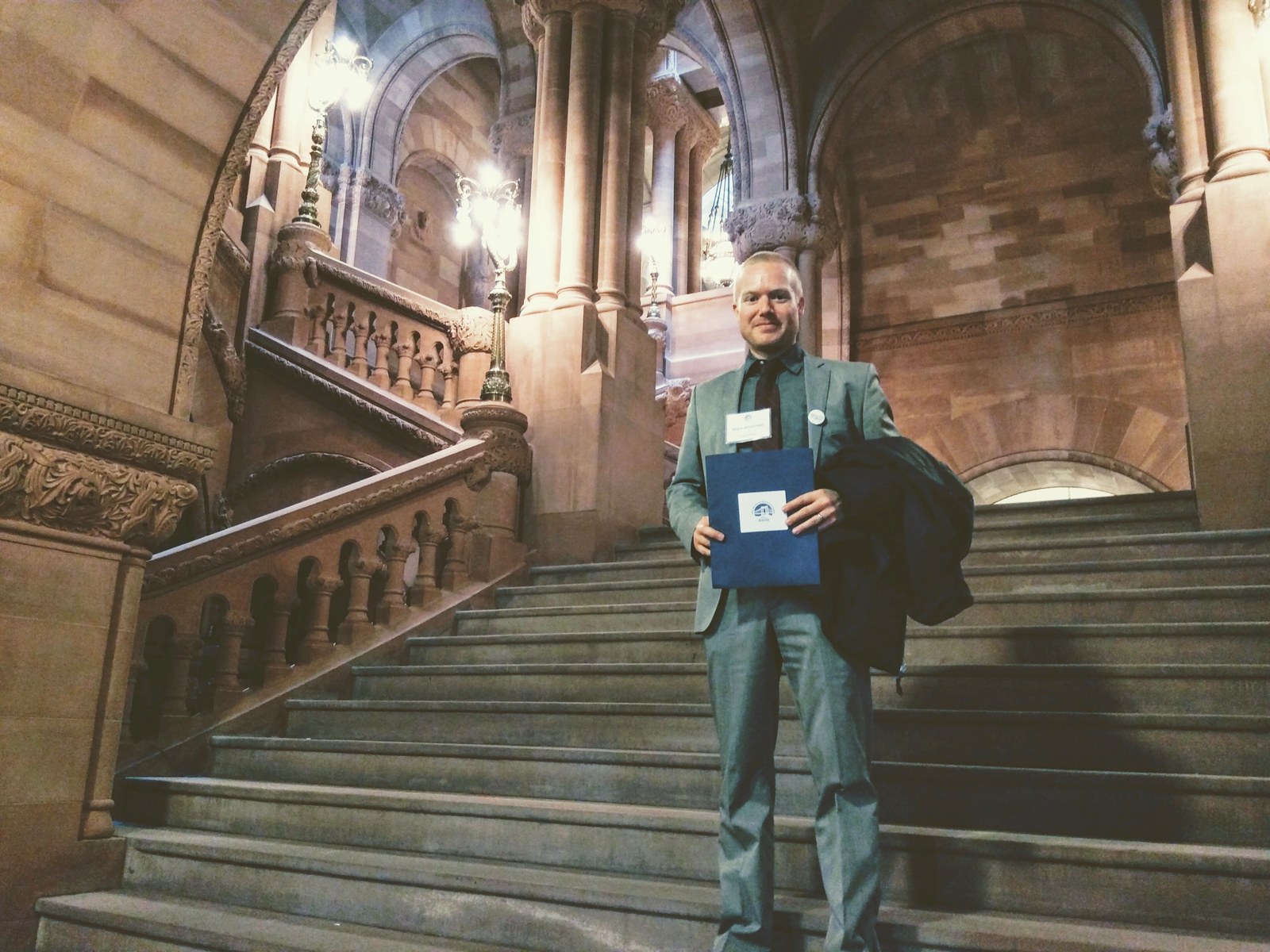
Policy. America Achieves Educator Voice Fellow; that fellowship's work on school desegregation became a set of policy proposals presented at the State Capitol in Albany in 2017, and the segregation columns listed below came out of the same effort, two of them published that year. Also a member of the Coro New York Leadership Collaborative, and one of a small group of New York teachers who drafted and presented findings on teacher evaluation with VIVA Teachers.
Credentials. M.S., Middle Childhood Special Education, City College of New York (NYC Teaching Fellows, Cohort 18). B.A., English, UCLA. New York State certification as School District Leader and School Building Leader.
Published columns
I also wrote fairly regularly in the education press from 2011 on, mostly about special education, segregation, curriculum, and literacy. Publishers redesign, change hands, and delete their archives, so where the original has become unreachable, the piece is kept here.
Archived in full on this site:
- Beyond Profiling: Deepening Classroom Discussions About Race · Education Week, 2015
- Replacing SESIS Is Just a First Step to Improving Special Education · Chalkbeat, 2019
- Guidance Through the Storm · Educational Leadership, ASCD, 2014
- Special Education: An Introduction · Chalkbeat, 2013
- Why I Left My School · GothamSchools, 2012
- You Just Have to Let It Go · GothamSchools, 2011
- Victories: Self-Control in the Classroom · GothamSchools, 2011
Rewritten or reconsidered as posts here:
- The Common Core: An Opportunity Squandered — from the three-part Promethean Plan series written for the Core Knowledge Foundation blog in 2013, which no longer hosts it
- Battling Segregation Is Going to Take a Combination of Parents and Policy — Education Post, 2017, syndicated in Ebony as "School Segregation Can End, If We Stop Feeding It"
- Why Diversity in Schools Is Critical to Our Democracy — The Hechinger Report, 2017
- I Think I Was Wrong About Phonemic Awareness — Nomanis, 2021
Also published, and not archived here: "On Inclusion of Students with Disabilities" and a five-part special education series (Chalkbeat, 2013–14); "Teachers as World Growers" (Impatient Optimists, Bill & Melinda Gates Foundation, 2012); and pieces for VIVA Teachers and ASCD Express. More are in Published Columns, in the archive wing of the site.
The Schools as Ecosystems body of work
For most of a decade, from roughly 2012 to 2021, I kept a blog built on the analogy of a school as an ecosystem, written in partnership with Will Johnson. We explored how a school is best seen as a set of interdependent relationships situated in a particular place, whose physical and social conditions are not just a backdrop to learning but a fundamental part of it. The blog ran to more than five hundred posts, on complexity and school reform, on segregation and integration, on curriculum, and increasingly on the conditions themselves.
The longest pieces are the ones on acoustics, greenery and air quality — noise, trees, and the air in a classroom, none of which anybody ever thinks to write an intervention about. The Schools as Ecosystems series here carries that thread forward, and the curated essays from the blog itself are in the archive wing.
Getting in touch
For professional correspondence, LinkedIn or hello@languageandliteracy.blog. Corrections to anything written here are welcome at the same address.