About Me
My name is Mark, and I like to read, write, and talk about language and literacy.
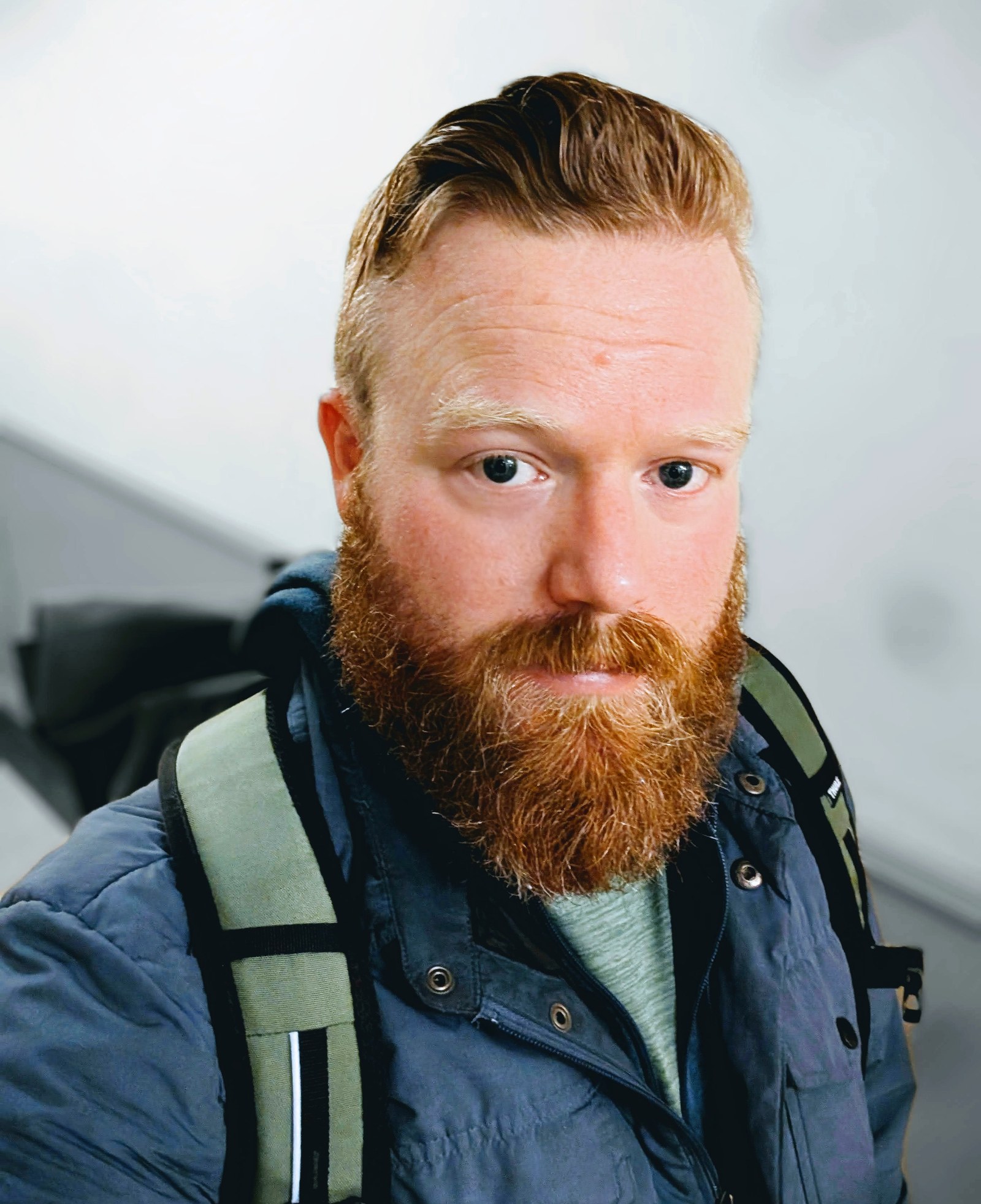
I currently serve as Director of Elementary ELA/ENL in the Office of Multilingual Learners at New York City Public Schools. Before that, I taught special education for seven years in a Bronx elementary and middle school, in 12:1 and Integrated Co-Teaching classrooms, and then spent four years as an ELA instructional lead supporting schools across the borough. There is more about my experience on the Practice page, including some of the columns I published during that time.
I come to research on language and literacy as someone who lived the reality of a complex and challenging classroom, and then worked out in the field supporting schools, during which time I had little incentive to read esoteric research. To be frank, when you are in a school, the more immediate and salient concerns are getting the next week’s lessons prepared, IEP goals written, and bulletin boards created for the upcoming superintendent’s visit, amongst ten thousand other things that overwhelm your every minute, every day, every weekend. It was only when I moved into a supporting role and needed to constantly prepare professional learning for other school teams and teachers that I gained the impetus to dig deeper into unfiltered research.
I suspect that sometimes academics looking at schools from the outside think educators already have a basic grounding in the foundational research on literacy and language development, but this is a problematic assumption to make. Educators most often have to take their own (very limited) time to begin exploring, or be fortunate enough to have knowledgeable instructional leaders share an evidence base with them, before they are familiar with even the most basic theoretical literacy frameworks, such as the Simple View of Reading, or know how to articulate individual phonemes (a skill that is trickier than it appears and requires practice). That said, advances are happening in teacher preparation and professional learning, given the attention the issue is finally getting.
Consider also that a child learning to read is acquiring a cultural technology it took our species a few thousand years to invent, in a room whose air quality, noise levels, and lighting all have an effect on that learning. Much of what I write on schools is an attempt to grapple with these two dimensions at once: the cognitive science of how language and literacy develop, and the physical and social conditions in which that development is hindered or enhanced. I think access to the research and evidence base is important, and that educators are owed a clear view of the full scope and limitations of the studies themselves, rather than black-and-white sloganeering. I have a deep distrust of certainty, including my own, and invite you to hold me to the same standard.
Thanks for joining me.
Writing & Inquiries
You can connect with me professionally on LinkedIn, find occasional musings and research links on Bluesky, Mastodon, or X/Twitter, or follow updates via RSS.
If you read something here that is wrong, or missing, write to me at hello@languageandliteracy.blog. I would rather be corrected than agreed with.
This blog is one seam of a much longer body of writing — thirty years of it, from fiction started in 1993 through the essays here, collected and mapped in A Writing Life.