On Segregation: The Good and the Ugly
Race is a sensitive topic for me to write about, because I am white. But it is central to a socio-ecological view of public education, so I am going to keep sticking my foot in my mouth.
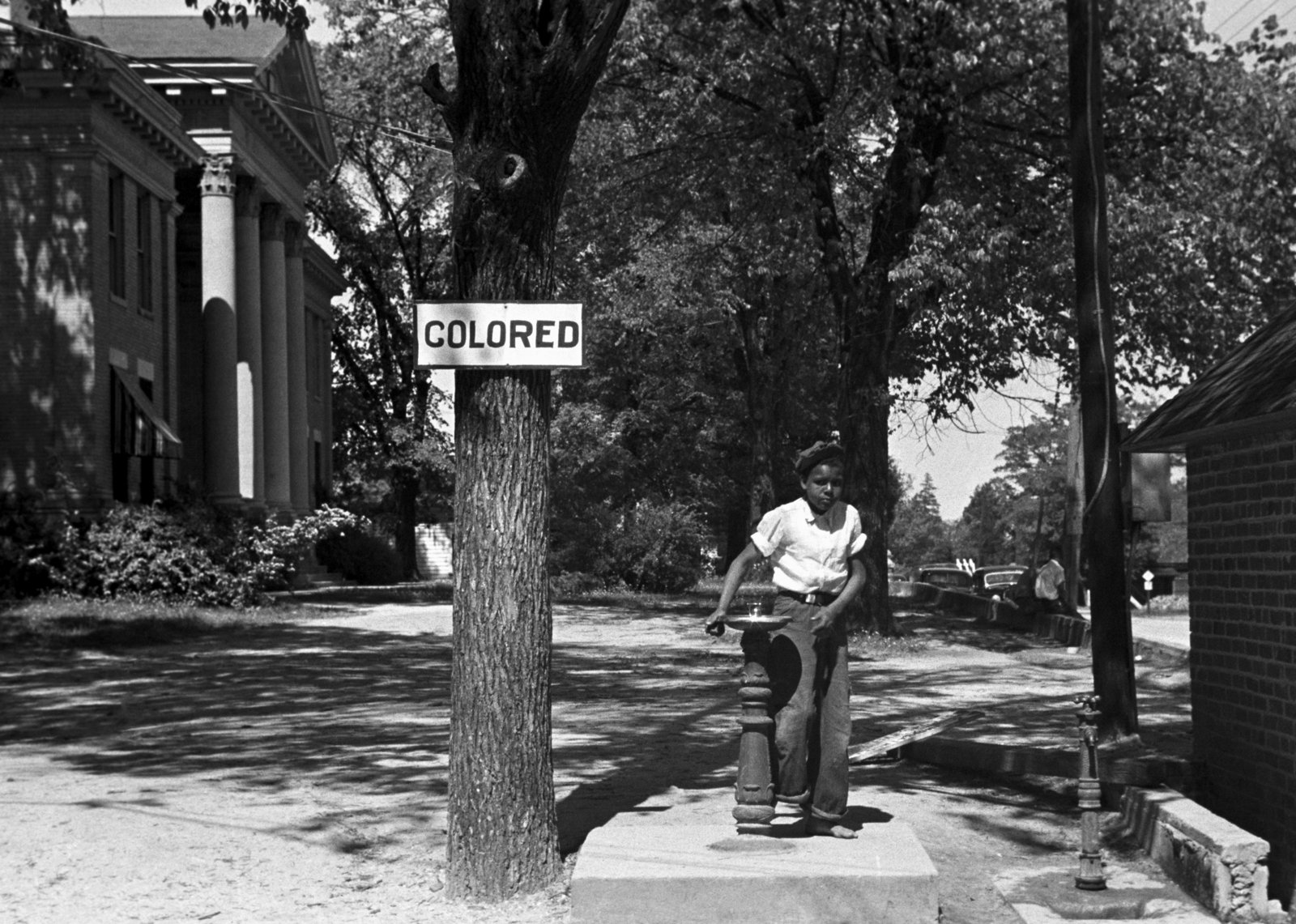
In my last post, I delved into a more sensitive topic – race – acknowledging that I was probably going to stick my foot in my mouth. Race is a sensitive topic for me to discuss because 1) our society has a long and sordid history of prejudiced treatment of people of color, and 2) I'm white.
But if our concern here at Schools & Ecosystems is to promote socio-ecological perspectives on public education, then the topics of race, class, and diversity are central to that mission. The specific context of US history and education demands it. So I'm going to keep on sticking my foot in my mouth. Apologies in advance.
Let me acknowledge that in my last post, I presented a pretty simplistic and idealistic vision, stemming from a need to desperately say something in response to Ferguson (and now, Eric Garner). The topic of segregation is much more complex than simply stating that our government needs to force white people to integrate more with black people. But that is my penultimate position, and I'd like to get more into the nuance behind how I've come to that position, so I can untangle some of the thorns wound up all around in it.
There's a simplistic and dominant progressive narrative on segregation, which is that “segregation is bad, so we need to desegregate.” This was the narrative born out of Brown v. Board of Ed. I don't think it's that simple. It's easy to say segregation is bad, but it's much harder to say why it's problematic, and even harder to say what we should do about it. There's also a possibly racist connotation that can lie behind that narrative, which is the implication that black institutions are inferior, and so integration with white institutions is necessary. To uncover this mindset, you can ask, “Can a predominantly black institution (such as a business or school) be one of the highest performing in our nation?” If you're white, chew on that for a minute.
Someone might then continue to ask, "But why aren't there more successful black institutions?" It is your answer to that question that determines where you stand. The fact that many people rarely ever get to that point of thought, but rather make the unsaid assumption that there is a failure in black communities and culture, is why we are nowhere near to living in a “postracial” society.
My own answer to the first question is that a predominantly black institution can be one of the highest performing in our nation. And schools that are not only predominantly black, but furthermore predominantly high poverty, could blow predominantly white and wealthier schools out of the water, if given half a chance.
And I furthermore believe that successful, predominantly black institutions are necessary for the well-being of black communities. (“Wait, what? I thought you said you wanted integration?!” I'll return to this in a later post.)
But we need to acknowledge the incredible barriers to that success which have been erected, historically, consistently and systematically, by our (once) predominantly white society. I don't feel the need to get into the details and history of this – there's been plenty of ink spilled making this case elsewhere. But any cursory glance at the course of US history and policy makes it clear that black communities have been starved of access to critical resources and left to fester.
So when some people confidently point their fingers at black communities and say, “This is a failure of culture,” we know that sort of reductionism completely ignores the wider context and impact of history, and the continued—daily—impact of white prejudice.
Yes, I know, this is old hat to most of you who might be reading this. But I need to be clear about where I stand so that when I arrive at my conclusion – that white communities should be forced to integrate with black communities – then you'll understand how I arrived at that seemingly radical pronouncement.
I'm going to leave it there for now. In my next post, I want to continue to explore the impact of segregation, and I'm going to bring in another sensitive topic – class – into the discussion.