Epilogue: From Tahoe to The Bronx
Epilogue: From Tahoe to The Bronx
Every plant has its beginning. A seed shed by a parent, primed by spring, fire, or the belly of a bird. Awaiting the right confluence of soil, rainfall and sunlight to trigger its growth. These initial conditions will determine the likelihood of an anchored maturity.
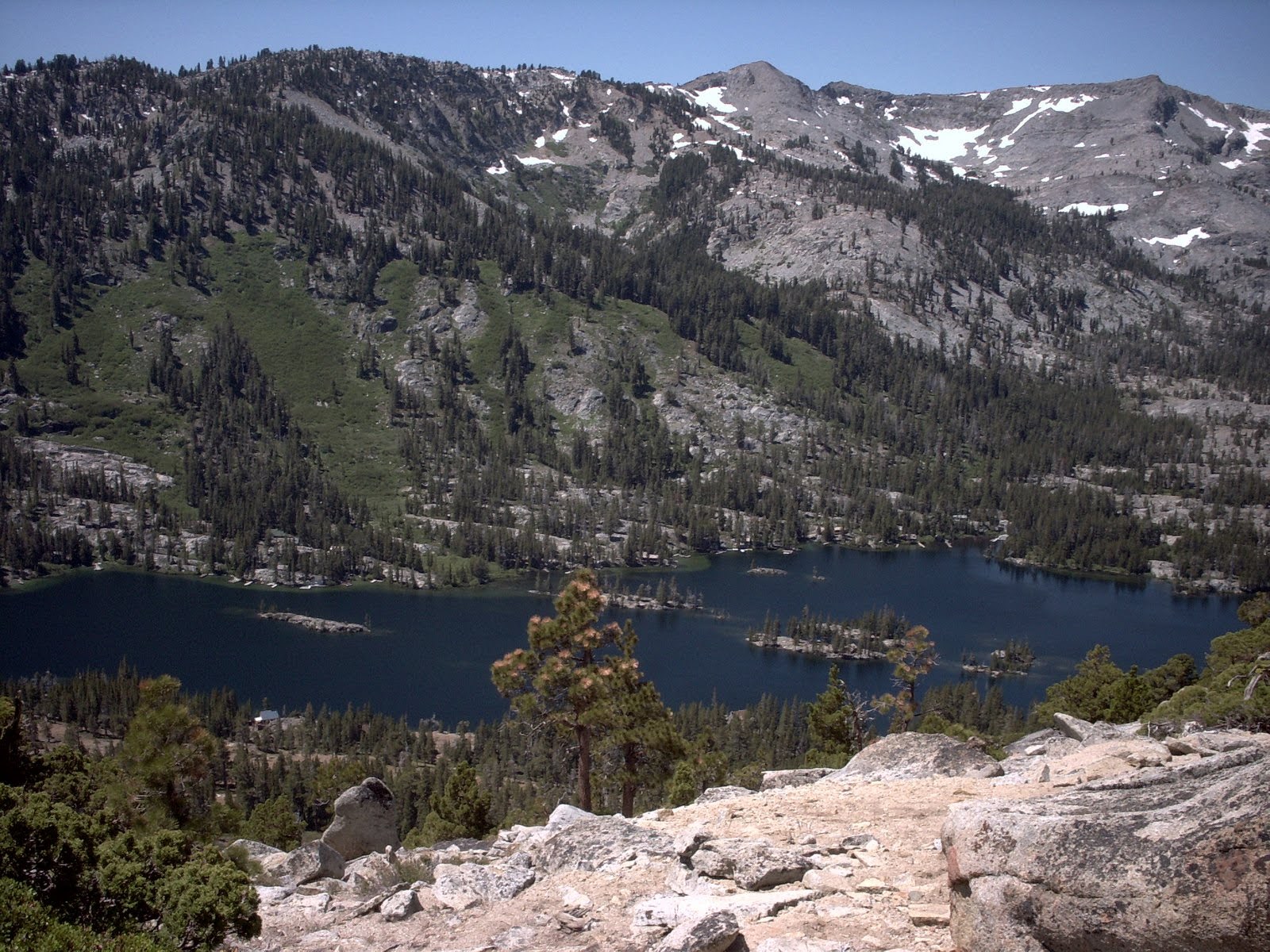
For the analogy that drives this book, that beginning was at 6,377 feet on Fallen Leaf Lake in the Sierra Nevadas of California. I worked and lived at a camp and conference center, having washed up there in a doldrums after college. I cleaned bathrooms, made beds, collected trash, and maintained the grounds. After work, I hung out in my cabin with other staff, learning from their sundry backgrounds and experiences.
In this semi-isolated tranquility in the mountains, I had a lot of time to read, write, and think. I developed an appreciation for nature, hiking, and whiskey. And I learned the value of hard work and service to others.
I transitioned from a seasonal staffer, to an assistant manager, to a manager. As I assumed more responsibility for myself, for my staff, and for my facility, I began thinking about what it meant to be a steward of a pristine land adjoining a lakefront and a wilderness, as well as what it meant to try and lead others in completing tasks that require hard work.
During this time, I happened across a book by an Australian named Bill Mollison titled Permaculture: A Designer’s Manual. It is a book both heady and practical, containing a wealth of principles and applications for sustainable agriculture, community building, and land management. It’s the kind of book that compels you to want to grow your own food, even if you’ve never grown a potted plant.
I still haven’t done either, to be honest. Yet the approach and philosophy of permaculture is something that not only captured my imagination, but has stuck with me. It was the simple idea that you could improve where you live or work through careful observation, thought, and effort. By paying close attention to patterns and relationships, you could design systems and spaces to attain both more productive and more sustainable outcomes. Ultimately, the goal for any permanent and stable community, according to the model of permaculture, is to become self-sustaining, with most energy needs produced within the system itself.
I began thinking more like this—like a designer, like someone who has a responsibility to future generations—when I looked around the beautiful, fragile ecosystem where I worked and lived. I discovered that nontoxic—and effective—cleaning solutions could be made more cheaply by hand from household supplies*. I investigated composting systems and piloted a composting system that could cut out some of our food waste and operate outside with brown bears, marmots, squirrels, and mice afoot.
And I started wondering what we could do to ensure not only that our fragile site would remain beautiful, but that could further ensure the sustainability of the native wildlife and plants of the Tahoe basin.
At this point, however, I was ready to apply my desire for improving systems and hunger for increased responsibility beyond the small world of Fallen Leaf Lake. I descended into the dense thicket of humanity of New York City, became a NYC Teaching Fellow, and began teaching special education in the Bronx.
And while a self-contained, 12:1:1 classroom in Tremont may have been the furthest thing from collecting trash from bear-proof cans in Lake Tahoe, the seed that had been planted there came to fruition, and led to a blog, Schools & Ecosystems; and ultimately, here, now, to this book.
My fascination with systems, management, ecology, design, and sustainability has only expanded the more that I have worked with and in different schools across the Bronx.
Because schools are like ecosystems. Improving classrooms, schools, and school systems are an opportunity to observe patterns and foster relationships that will enrich and empower a self-regulating community.
Watch out. Once you start thinking like this, you will see ecosystems everywhere.
*get yourself some vinegar, baking soda, and castile soap, and you’re all set.
Read next
- The Influence of Greenery on Learning2020 · 26 min read
- Haircuts2018 · 3 min read
- Freewrites2018 · 11 min read
- Schools & Ecosystems Proposal2017 · 4 min read